Au féminin.African sport.
Wherever it lives.
Back to SNA

The magazine

Mothers & sport

What returning to sport involves.

Mothers & sport

What comes next belongs to them.

Back to training, back on tour, back in competition. Three athletes describe what returning to sport after having a child involved for them.

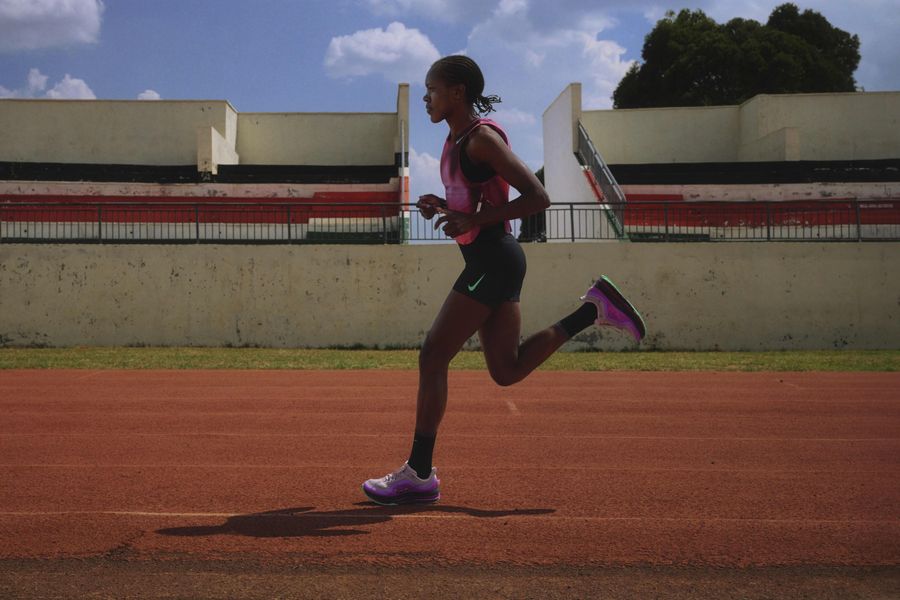
Faith Kipyegon running on a track, in a pink and black outfit
Faith Kipyegon · archive image, June 2025. Photo: NIKE, Inc. · photographer not credited. This archive does not show her 2019 comeback.
Faith KipyegonKenya · AthleticsRebuilding before racing again

Twenty minutes. Two minutes running, one minute walking, then starting again. In early 2019, Faith Kipyegon’s first session back followed that pattern. She already had Olympic gold and a world 1,500m title. Yet her legs no longer responded as they once had. She would later describe that effort as painful. This was her starting point, in a body that had carried a child.

Her daughter Alyn was born by caesarean section in June 2018. She took eight months of rest after the birth, during which she breastfed. Tiredness followed her into training. Patrick Sang’s programme took her return into account, but some sessions were still difficult to finish. Strength work three times a week helped her rebuild. These changes were happening well before the race clock and the applause returned.

Finishing a session did not mean finishing the day. Back home, Faith wanted to sleep; Alyn needed her. Recovery and caring for her child needed space in the same hours. People close to her helped with childcare. The athlete’s rest also depended on time that others could give. Behind the word support were people doing that everyday work.

During that first comeback, she lived in Eldoret, having moved there for family support. The Kaptagat camp was around forty-five minutes away. In 2019, she returned home to her daughter each evening. Later, the arrangement changed: reflecting on her career in 2023, she described Monday-to-Saturday stays at camp and the limited time left with Alyn. Her husband Timothy Kitum and their nanny Sarah played essential roles. Returning to competition had not settled the question of separation once and for all.

In June 2019, she won her first race back, in Stanford. World silver in Doha followed. Those results marked the outcome of sustained work; on their own, they could not convey everything the preceding days had demanded. Her care and training continued to evolve after the medals, too. Sang would make further adjustments over the seasons, including after a stress fracture in 2019.

Alyn is growing up alongside this unusual working life. Before races, Faith and her daughter speak: her daughter wishes her luck and asks her to bring home chocolate, along with a gold medal. An ordinary childhood request beside an extraordinary career. Between track and home, Faith continues with a family whose needs change, and people sharing the care that makes her work possible.
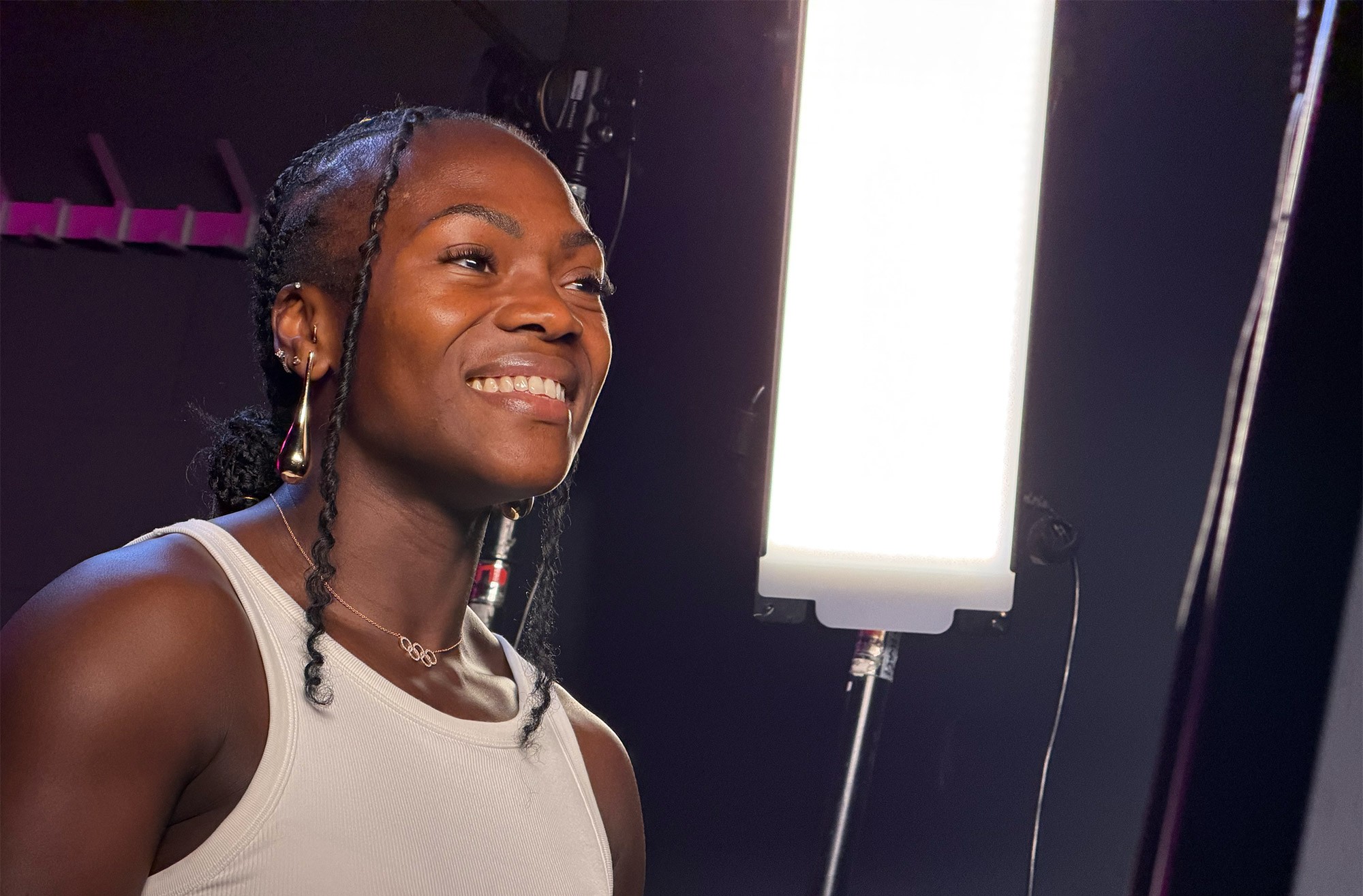
Clarisse Agbégnénou smiles during an interview, in a white top
Clarisse Agbégnénou · IJF, August 2026
Photo: Nicolas Messner / IJF.
Clarisse AgbégnénouFrance · JudoA second comeback, another story

In Tel Aviv in February 2023, Clarisse Agbégnénou’s international comeback was also taking shape behind the scenes. Eight-month-old Athéna could accompany her mother into the warm-up room. Clarisse’s mother Pauline and her agent Nadia had travelled with them. Alongside the judogi and the bout schedule, someone needed to be available to care for a baby. That presence required planning and an accepted place within the competition spaces.

Before the Doha World Championships, Clarisse described tiredness, breastfeeding on demand day and night, and rebuilding strength. She said she had progressed gradually, without setting a return date at the outset, supported by her healthcare team and coaches. These were her circumstances at that time.

On 10 May 2023, she became world champion for the sixth time. Athéna was in the arena. It was a beautiful image, but it could not contain the whole preparation. Family travel, her agent’s presence and the baby’s access backstage had helped make that return possible. The question extended beyond a champion’s determination: who can accompany an athlete, and where can her child be welcomed?

In 2026, another birth opened a different chapter. Her son Dakota arrived on 11 March. That spring, her adapted training included yoga, swimming and strength work. Several kinds of movement formed part of her preparation before a full return to fighting. This second experience could not simply repeat the first: Clarisse now had two children.

She took bronze at Lausanne in late August. Her father had died a few weeks after Dakota’s birth. She would describe holding back emotion during competition, before it returned at the final gong. Joy and grief accompanied this comeback. An athlete can resume her work without everything else in her life being settled.

Her daughter was trying to understand the medals: why had her mother won bronze while a finalist who lost received silver? Clarisse explained the results. Judo was also becoming this conversation between a mother and her child. She wants better support for athletes who choose motherhood. Her experience gives that demand practical meaning: continuing to do her job with her children part of her life, and conditions that allow it.

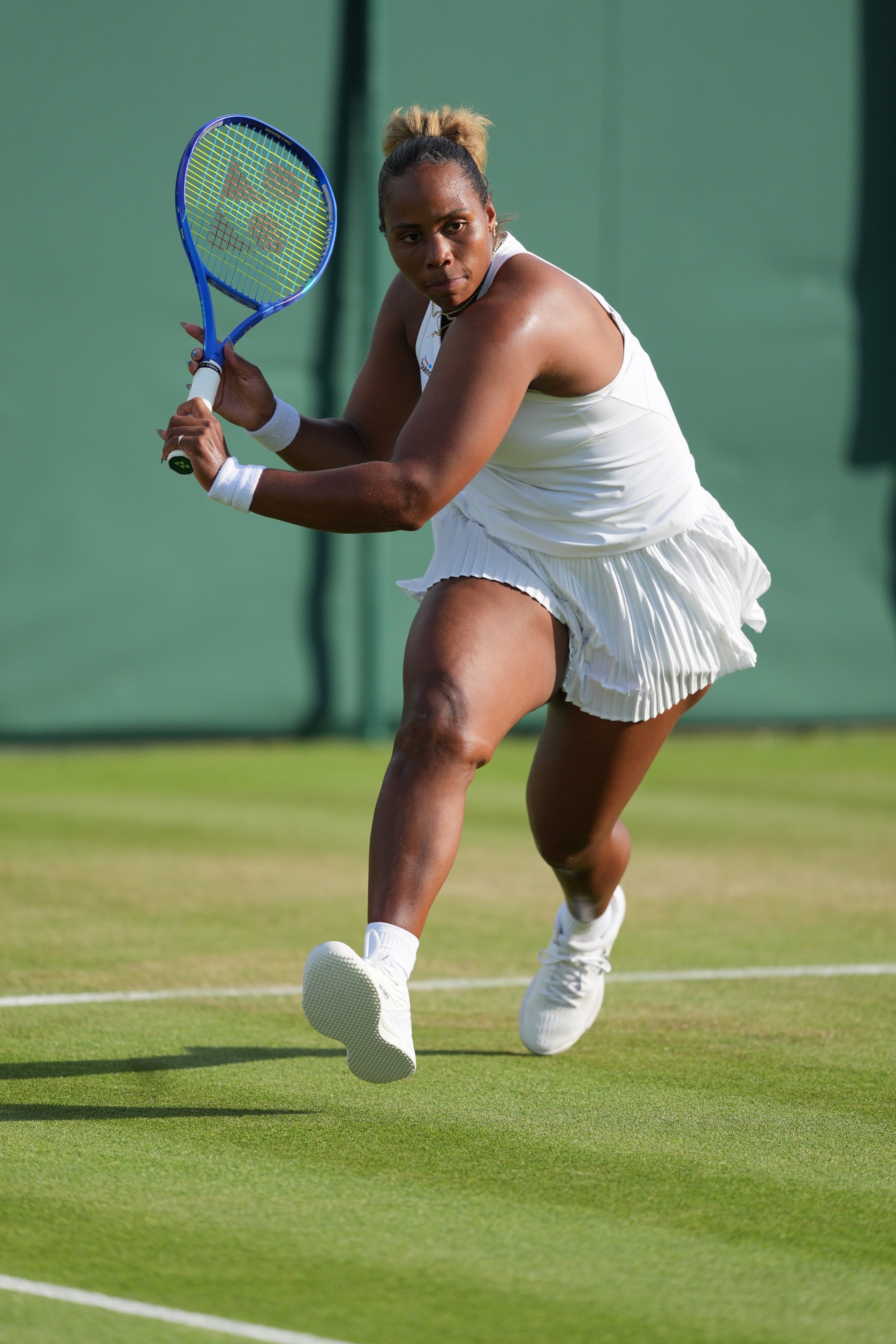
Taylor Townsend, in white, holds a blue racquet in front of a green wall
Taylor Townsend · photograph distributed by Yonex
Photographer and date of shoot not credited.
Taylor TownsendUnited States · TennisTravel, play, then come home

The caesarean section had not been planned. For Taylor Townsend, surgery changed her recovery and meant adapting her intended return to tennis. Her son Adyn was born on 14 March 2021. Before the first matches, there was recovery from an operation, a new everyday life to learn and a training plan to reshape. Her comeback could not simply follow the timetable imagined during pregnancy.

Taylor gives considerable credit to John Williams, her coach at the time. He planned the stages and stayed alongside her through the work. That support was practical: someone knew the plan, followed it and adjusted it. Taylor does not describe a guaranteed comeback. She had to build the conditions for her working life while discovering life with her child.

She returned to competition in April 2022, more than a year after giving birth, starting at ITF tournaments. At Roland-Garros that May, she described a shift in how results affected her: Adyn was happy to see her and speak to her whether she had won or lost. Defeat still mattered; it no longer occupied all the space in her relationship with her son. That September, she reached the US Open doubles final with Caty McNally.

The following years also revealed what success leaves outside the frame. In 2024, she spoke about spending three months away from Adyn the previous year. She had got through it, but made clear that she did not want to repeat it. Being able to withstand an absence does not mean choosing it without difficulty. An international career raises the question again with every tour: how many weeks away, and how to make space for coming home?

Taylor explained that she could speak openly with her coach about tiredness. They planned to avoid burnout. Singles and doubles create overlapping commitments; doubles does not automatically mean lighter weeks. In that planning, both the mother and the player needed to be heard.

In January 2026, she shared her son’s recurring question before she left: “How many days?” As he grows older, he understands the absences better, making them harder, she said. That small number requested before a journey offers another measure of time alongside the duration of a match.

In September 2026, Taylor and Kateřina Siniaková won the US Open together, completing their collection of all four Grand Slam titles. It was a major moment in their sporting partnership. Taylor’s story also continues beyond the trophy, in how she prepares for the next trip and makes room for time with Adyn.

These accounts highlight personal experiences, different support networks and different means. A comeback does not take just one form.